Food within reach
Free community access to harvest one of North America's few native fruit crops.
 The Wild Blueberry CollectiveHelp protect the land
Searsport, Maine · Penobscot Territory
We're a women and two-spirit led nonprofit working to protect 138 acres of wild blueberry barrens, forest, and wetlands for community access, food, learning, and joy.
Our mission is to provide and protect permanently accessible outdoor space where our community can participate in hands-on learning and have free access to food, nature, and recreation.
The Wild Blueberry Collective formed in January 2026 when hundreds of acres of Waldo County blueberry land were listed for sale. We came together to keep one of those rare barrens rooted in the community that knows and loves it.
Free community access to harvest one of North America's few native fruit crops.
Programs in art, horticulture, beekeeping, foraging, and food processing.
Welcoming space for hiking, discovery, gathering, and outdoor recreation.
The land
These 138 acres in Searsport hold working barrens, mixed forest, and woody wetlands—a glacially carved mosaic that feeds people and shelters wildlife.
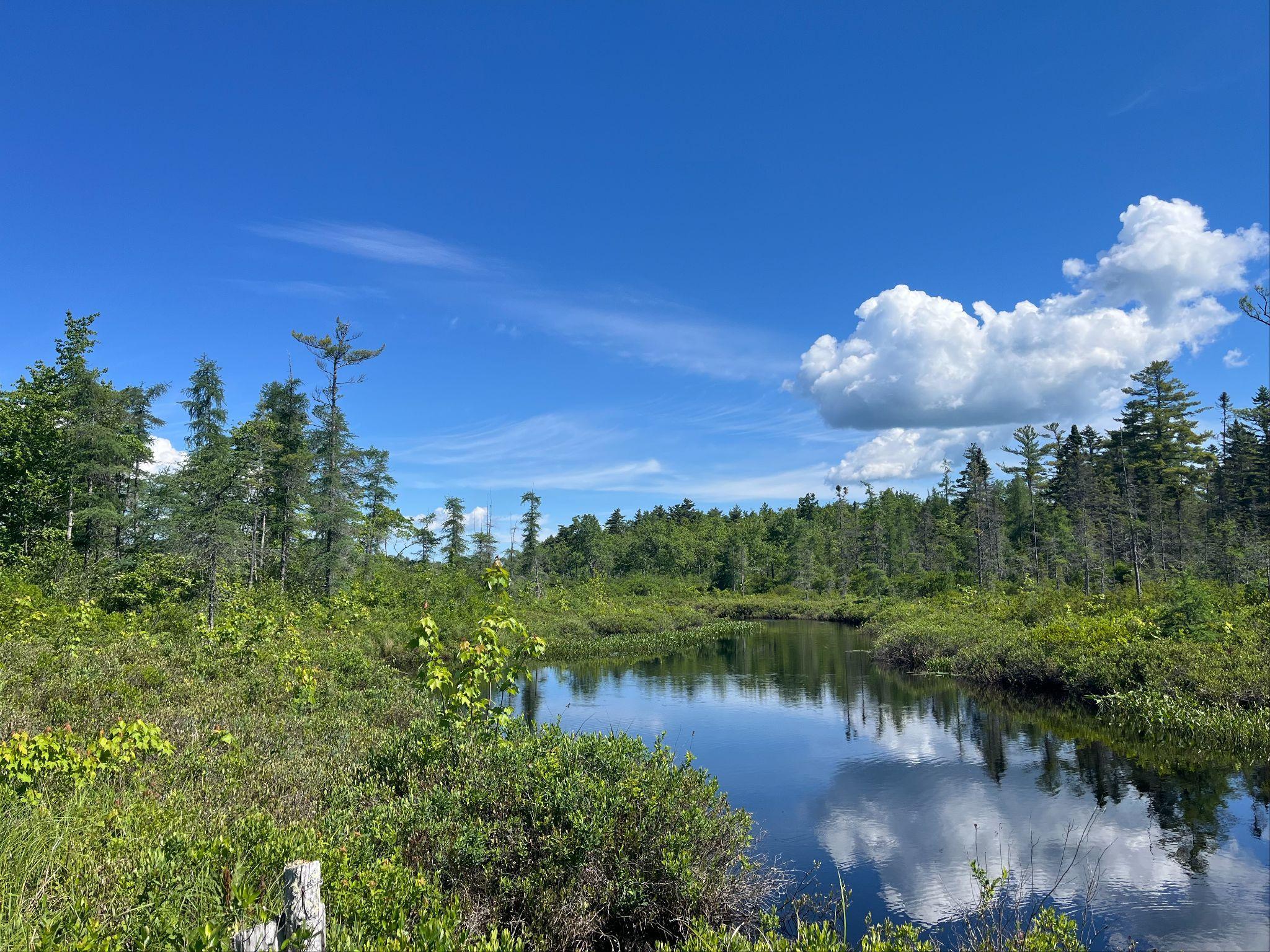
Wild blueberry habitat
Mixed woodland
Water and wildlife habitat
Beyond berries, this place supports
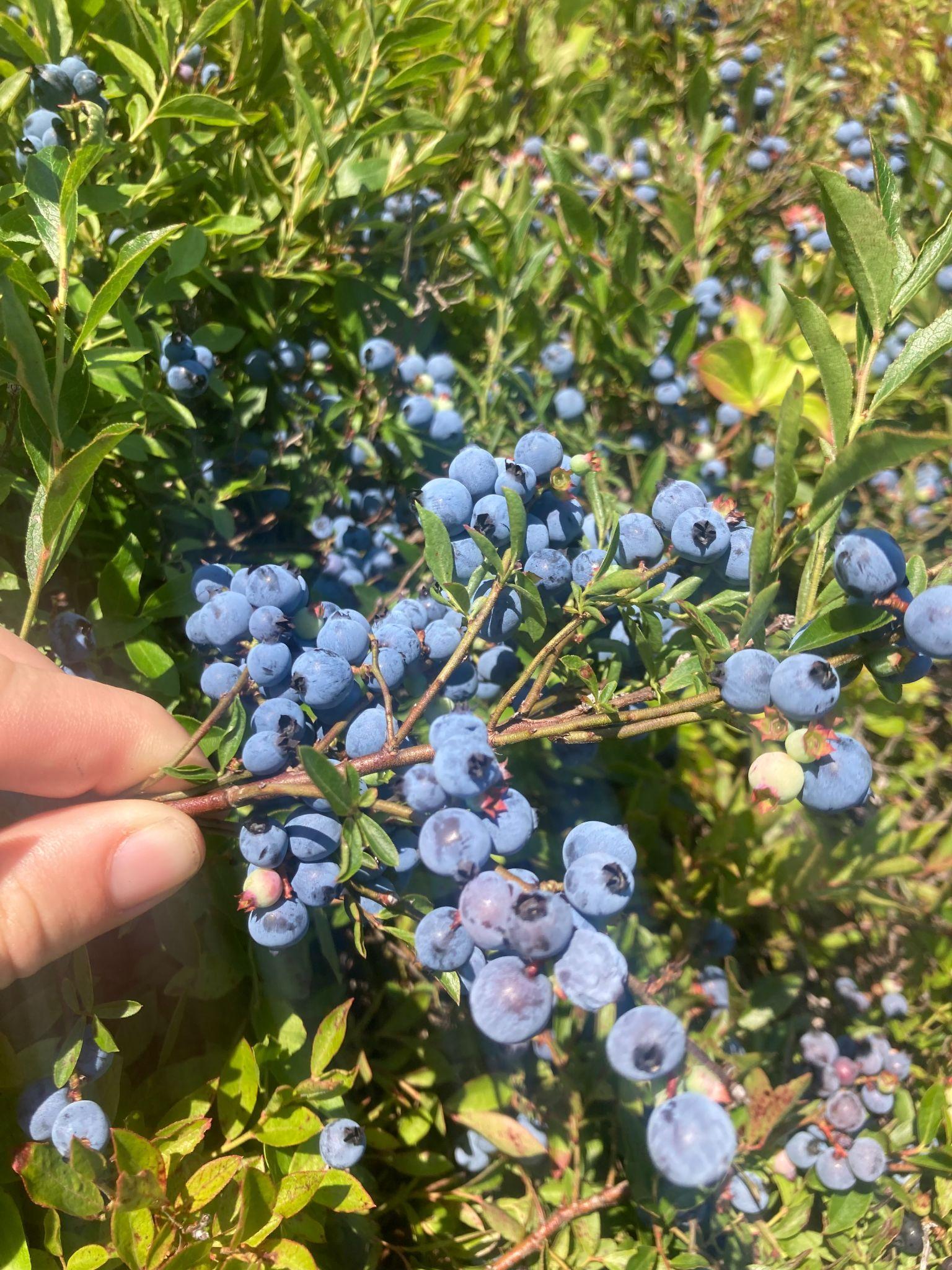 Food, culture, and biodiversity in every field
The berries
Wild blueberries are one of just four fruit crops native to North America. Wabanaki people have tended and burned these lands for thousands of years.
genetically distinct blueberry plants can grow in a single field.
acres of Maine wild blueberry land have disappeared in under a century.
acres are estimated to remain. Every protected field matters.
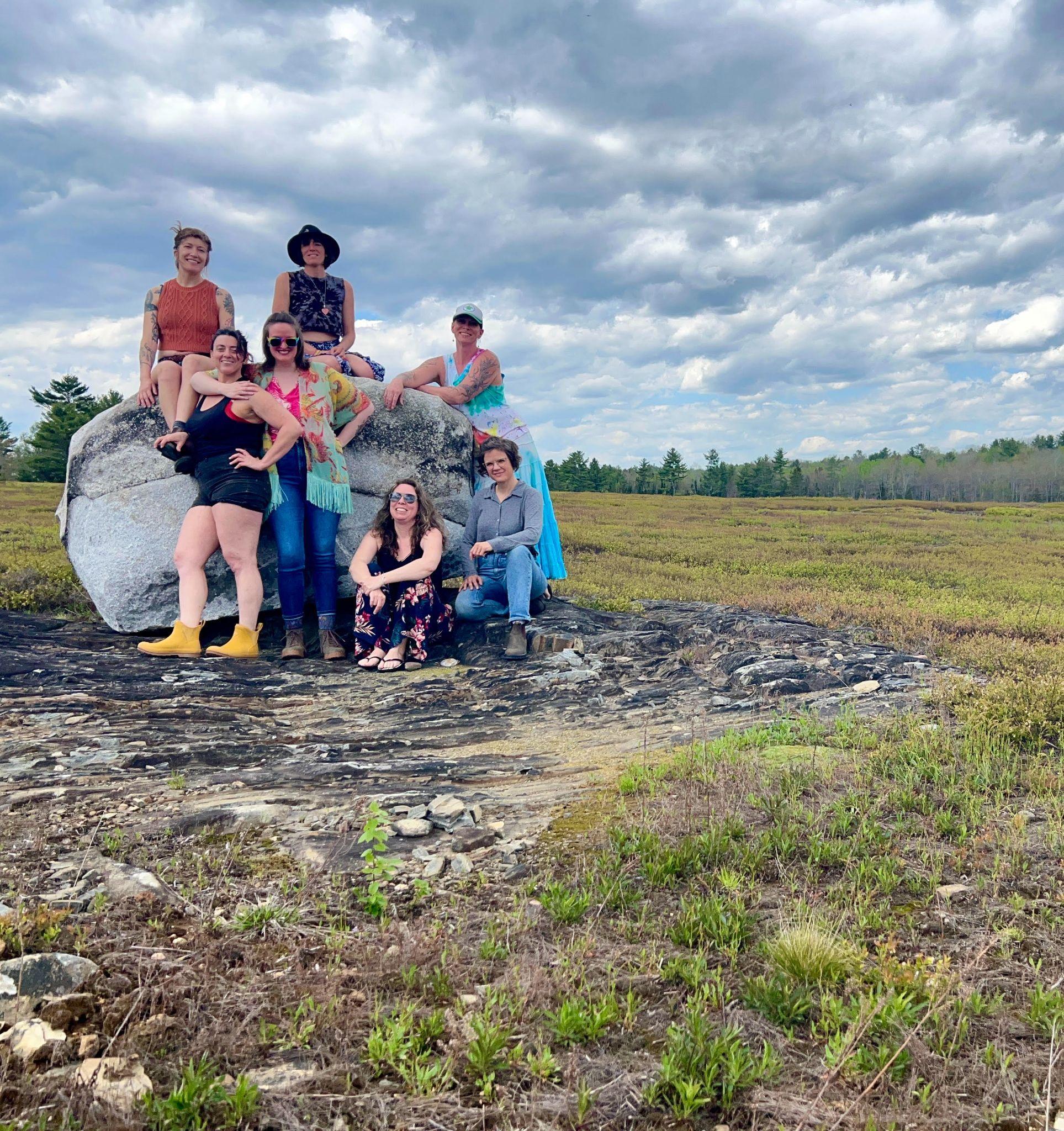
The collective
We're gardeners, parents, artists, service-industry workers, foragers, and outdoor enthusiasts. What unites us is the belief that this special piece of home should remain open, useful, and alive for generations.
“An outdoor space for all in our county—and for those passing through. No matter their age, gender, background, or ethnicity: all are welcome.”
The momentum
The acquisition goal is $750,000. Early donors and local foundations have already built a strong base—and the next chapter needs all of us.
Support the barrens
Donate hereMore than $500,000 in additional grant requests are awaiting decisions.
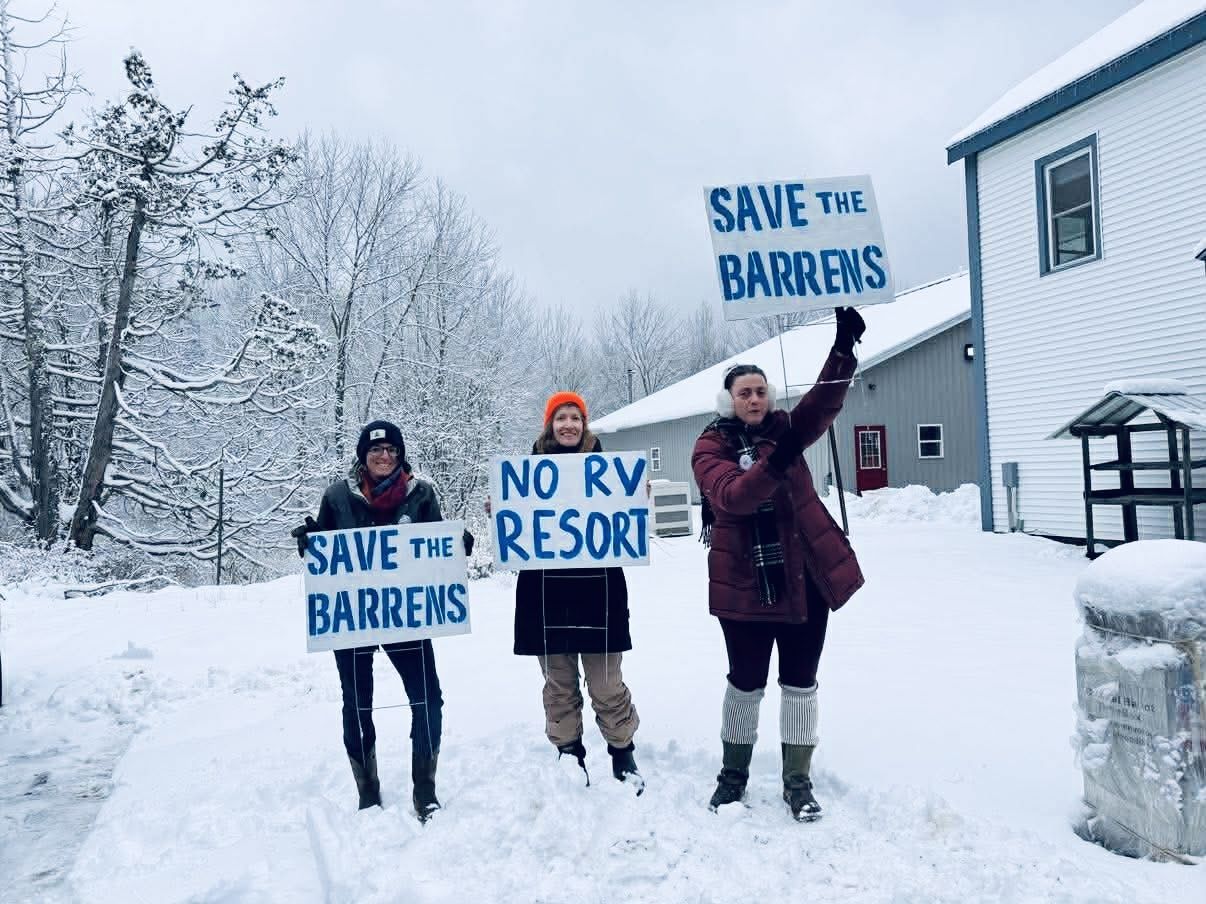
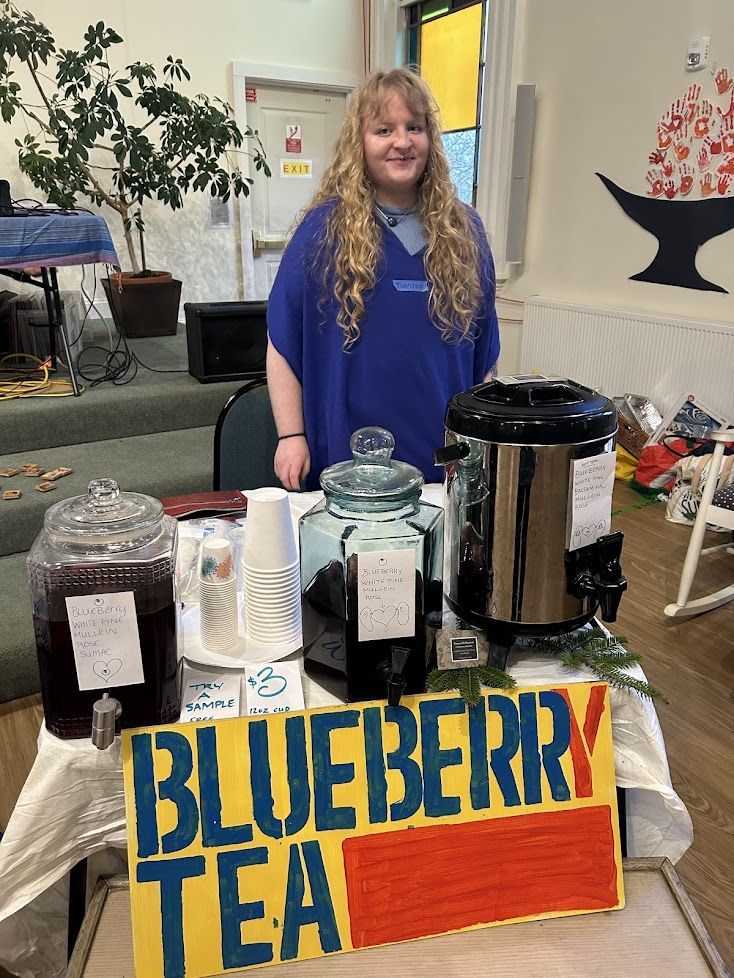

Protect a place that gives back
Give, connect us with a funder, lend a skill, or simply help more people learn why this land matters.
Our commitment
We, as members of The Wild Blueberry Collective, acknowledge that the land we live, tend and recreate on is stolen land in Penobscot Territory. Through our purchase of 138 acres of wild blueberry barrens, forests and wetland in what is now known as Searsport, Maine, we are committed to dismantling the patriarchal, capitalistic and colonizing ways of our current society by opening this land for public and Wabanaki use–in perpetuity, at no charge. We believe this is an important conservation and food security effort that supports rematriation.
As this land, and sahtal (blueberries), have been tended by the Wabanaki for thousands of years, we believe there is no better way to properly and effectively steward and care for this land than with their guidance and collaboration, and that it is a dwindling landscape to conserve for restoring relationships with Wabanaki peoples and their sacred lands.